
Our Treatments
Lymphatic Drainage
Gentle support for fluid movement, swelling and recovery
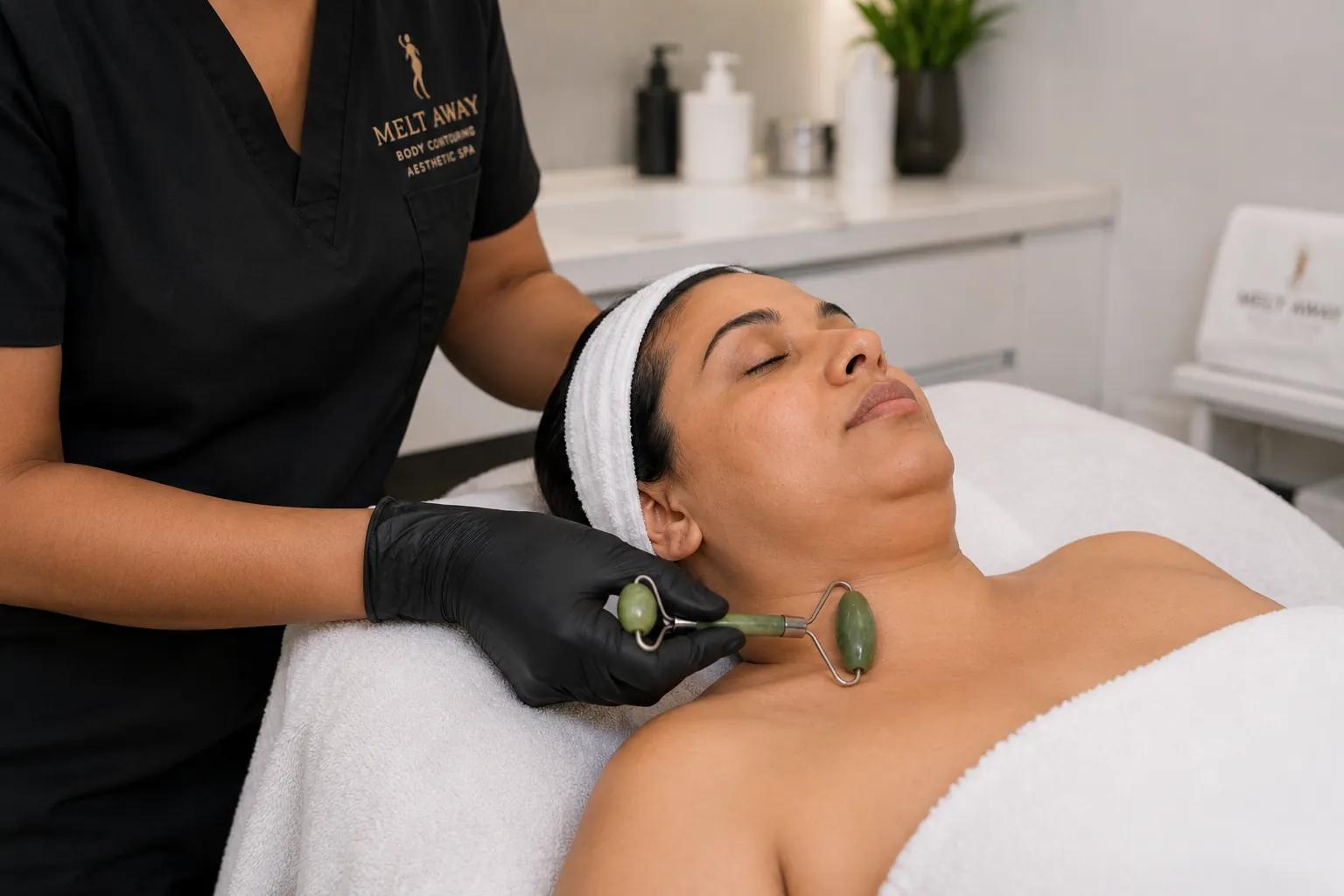
Overview
Lymphatic drainage is a gentle treatment intended to encourage lymph fluid through the body’s natural drainage pathways. Depending on the cause of your concern and your medical suitability, it may help reduce temporary puffiness, ease feelings of heaviness and support selected recovery or body-contouring programmes. Treatment may be performed manually, using controlled mechanical compression or through a planned combination of techniques. Unexplained, sudden or one-sided swelling should be medically assessed before treatment.
How it works
Manual lymphatic drainage uses light, slow and rhythmic movements applied in specific directions across the skin. These movements are intended to encourage lymph fluid towards pathways where it may drain more effectively. Mechanical treatment may use a compression garment that gently inflates and releases in a controlled sequence. The appropriate method, pressure and treatment direction are selected according to the area, cause of swelling, medical history and condition of the lymphatic system. This treatment differs from deep-tissue massage and should not require aggressive pressure.
Benefits
- May reduce the appearance of temporary puffiness
- Encourages the movement of excess fluid
- May ease feelings of heaviness or tightness
- Supports comfort in areas affected by temporary swelling
- May assist selected post-treatment recovery plans
- Can support body-contouring aftercare when appropriate
- May create a temporarily smoother appearance
- Can provide a gentle and relaxing treatment experience
- May complement medically guided compression and movement
Ideal for
- Temporary puffiness or fluid retention
- Feelings of heaviness in suitable areas
- Temporary swelling following an approved aesthetic treatment
- Medically cleared post-surgical recovery
- Clients requiring gentle rather than deep massage
- Fluid-related fullness around the abdomen or waist
- Suitable swelling affecting the arms or legs
- Facial or neck puffiness
- Clients receiving a structured lymphatic-care plan
- Suitable areas of the back, hips or thighs
What to expect
Your appointment begins with an assessment of the swelling, when it started, recent procedures, medication and relevant heart, kidney, circulatory or lymphatic conditions. For manual drainage, you will usually lie down or remain slightly elevated while the practitioner applies light, rhythmic movements to the skin. For mechanical treatment, a compression garment may be fitted around the selected area and adjusted to an appropriate pressure. You may feel gentle movement, light pressure or relaxation. Treatment should not feel aggressively deep or sharply painful. Tell your practitioner immediately if you experience pain, numbness, dizziness, nausea, difficulty breathing or another unexpected symptom.
Aftercare
Maintain your normal hydration unless a healthcare provider has restricted your fluid intake. Continue gentle movement, such as comfortable walking, when appropriate, and avoid unusually strenuous exercise if you feel tired or light-headed. Keep the skin clean, use a suitable moisturiser and wear compression garments only when prescribed or recommended. Do not perform aggressive massage over the treated area. Follow your surgeon’s instructions when drainage forms part of post-surgical care. Seek urgent medical attention for chest pain, difficulty breathing, fainting or sudden one-sided swelling.
Session duration
Appointment length varies according to the method used, number and size of the areas treated, medical considerations and whether the session forms part of post-surgical care. Your expected treatment time will be confirmed following assessment.
Recommended sessions
Some clients may receive lymphatic drainage as an occasional wellness treatment, while others may require a structured programme based on surgery, diagnosed lymphedema or another medical concern. The recommended number and frequency of sessions depend on the cause and amount of swelling, treatment area, medical guidance, stage of recovery and response. More frequent treatment is not automatically more effective.
Frequently asked
Start with consultation
Let our team recommend the right direction for you.
Results vary. Consultation required.